



The evolution of casinos tracing their historical roots and cultural significance
The Origins of Gambling and Early Casinos
The concept of gambling can be traced back thousands of years, with evidence suggesting that ancient civilizations in China and Mesopotamia engaged in games of chance. Early forms of gambling were often linked to social rituals and celebrations, serving not only as entertainment but also as a means to strengthen community bonds. The development of games involving dice, betting, and chance laid the groundwork for what would eventually evolve into modern casinos, where players can experience thrilling options like the aviator game.
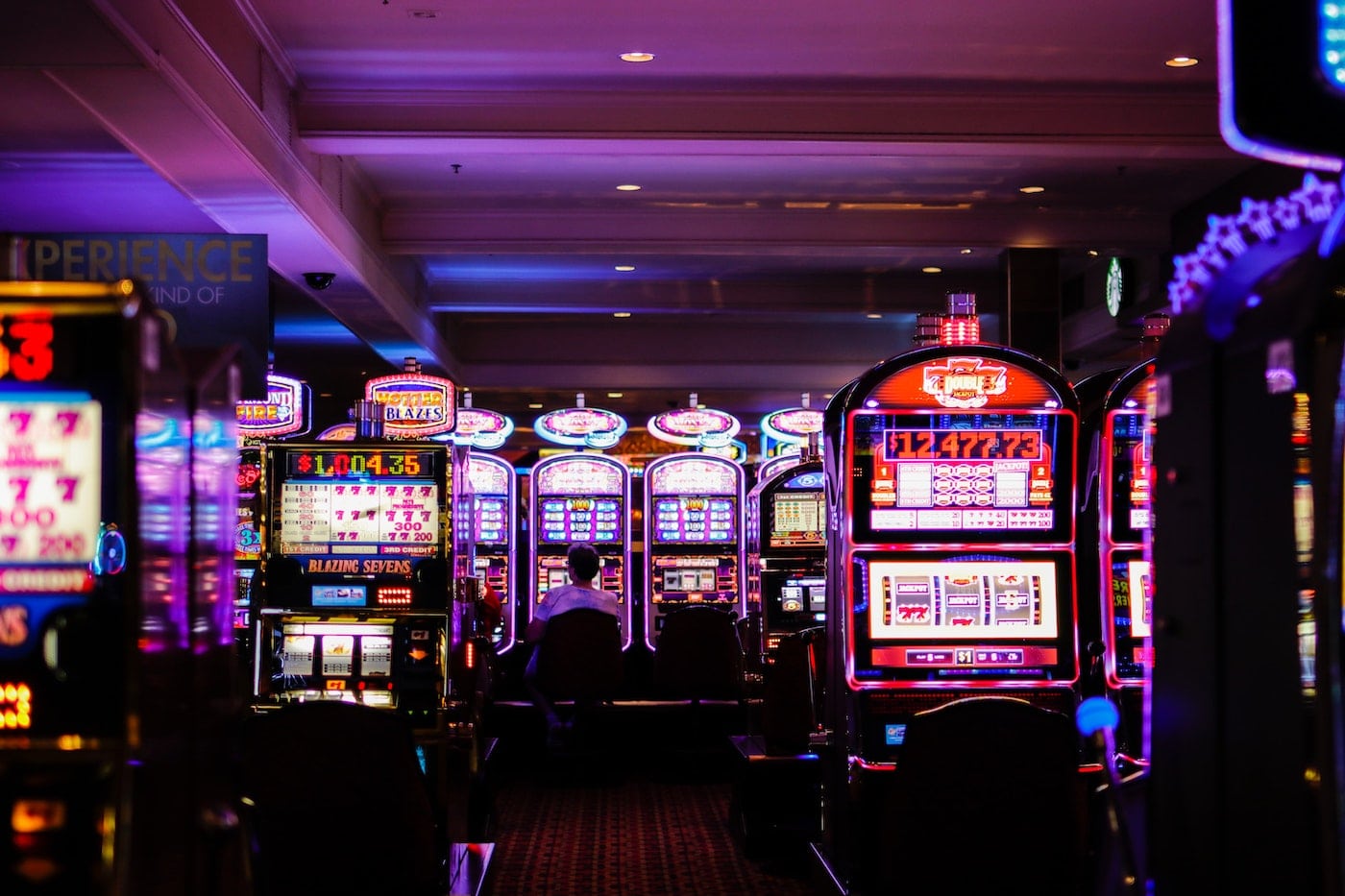
As societies evolved, so did the places where these games were played. In ancient Rome, for instance, gambling was a popular pastime among the elite, often taking place in lavish halls. These early venues can be seen as precursors to today’s casinos, offering a mix of social interaction, competition, and the thrill of winning. Such establishments helped pave the way for the cultural significance of gambling in various societies.
The Renaissance period marked a significant shift in the development of casinos, particularly in Europe. The establishment of formal gambling houses became prevalent, with the first recognized casino, the Casino di Venezia, opening its doors in 1638. This era not only legitimized gambling but also integrated it into high society, influencing the design and atmosphere of future casinos, which aimed to provide an extravagant experience for visitors.
The Expansion of Casinos in the 19th Century
The 19th century witnessed a surge in the popularity of casinos, particularly in Europe and the United States. The advent of legalized gambling in places like France and the emergence of the American West created a perfect storm for the growth of casinos. Iconic establishments like Monte Carlo and those along the Mississippi River became synonymous with wealth and glamour, attracting high rollers and socialites eager to try their luck.
During this time, casinos began to diversify their offerings, introducing various games, including card games and roulette, which became staples in gambling establishments. The introduction of slot machines in the late 1800s revolutionized the gambling experience, making it accessible to a broader audience. This democratization of gambling contributed significantly to the cultural significance of casinos, transforming them from exclusive venues into popular entertainment hubs.
Additionally, the rise of organized crime in the early 20th century had a profound impact on the casino industry, particularly in Las Vegas. As gambling became more widespread, it attracted not only legitimate business interests but also criminal organizations. This complex relationship shaped the landscape of casinos, influencing their operations and public perception, which remains relevant today.
The Modern Era: Casinos and Technology
The late 20th century marked a pivotal moment for casinos with the advent of technology. The introduction of online gambling transformed how people interacted with games of chance, leading to a significant rise in virtual casinos. Players could now access a wide variety of games from the comfort of their homes, which altered the landscape of the casino industry and expanded its reach to a global audience.
Moreover, physical casinos began to incorporate technology to enhance the customer experience. Features like digital gaming tables, virtual reality experiences, and advanced slot machines improved engagement, making casinos more attractive to younger generations. The integration of technology has not only changed the nature of gambling but also influenced the design and operation of casinos, pushing them towards an immersive entertainment experience.
As the modern casino continues to evolve, the focus on responsible gaming has become paramount. Many establishments now offer programs to promote safer gambling practices, acknowledging the social responsibilities that come with operating such venues. This shift reflects a broader societal understanding of the implications of gambling, reinforcing the cultural significance of casinos as not just places of recreation but also as entities that engage with important social issues.
Cultural Significance of Casinos Across the Globe
The cultural significance of casinos varies widely across different societies. In some cultures, casinos are viewed as symbols of prosperity and success, attracting tourists and generating substantial economic benefits for host cities. For example, cities like Las Vegas and Macau have built their identities around their vibrant casino scenes, becoming global hotspots for entertainment and tourism.
Conversely, in certain regions, casinos may face stigma or opposition due to concerns about gambling addiction and its effects on society. Cultural attitudes towards gambling can shape the regulations and acceptance of casinos within various communities. Understanding these differing perspectives is crucial for appreciating the role casinos play in global cultures and their economic implications.
Furthermore, casinos often serve as social spaces, bringing people together for shared experiences. Whether it’s a night out with friends or a celebratory event, casinos provide a unique environment where social dynamics play out against the backdrop of games and entertainment. This social aspect underscores the enduring appeal of casinos as cultural institutions, bridging gaps between different communities and fostering a shared sense of excitement.

The Future of Casinos and Online Gaming
As we look to the future, the casino industry is poised for continued evolution. The increasing popularity of online gaming and mobile applications suggests a shift in how people engage with gambling. This digital transformation not only expands the reach of casinos but also introduces new forms of entertainment, including eSports and interactive gaming experiences. As technology continues to advance, casinos must adapt to meet the changing preferences of their audiences.
Moreover, the integration of virtual reality and augmented reality into the gambling experience has the potential to redefine the traditional casino model. These innovations could create immersive environments that simulate the thrill of real-life casinos, enhancing user engagement and attracting new demographics. The future landscape of casinos may blur the lines between physical and digital spaces, offering unique experiences tailored to individual preferences.
The ongoing dialogue around responsible gaming will also shape the future of casinos. With an increasing focus on player protection and education, casinos will likely continue to implement measures to promote safe gambling practices. Balancing entertainment with social responsibility will be essential for the sustainability and acceptance of casinos in the broader cultural context.